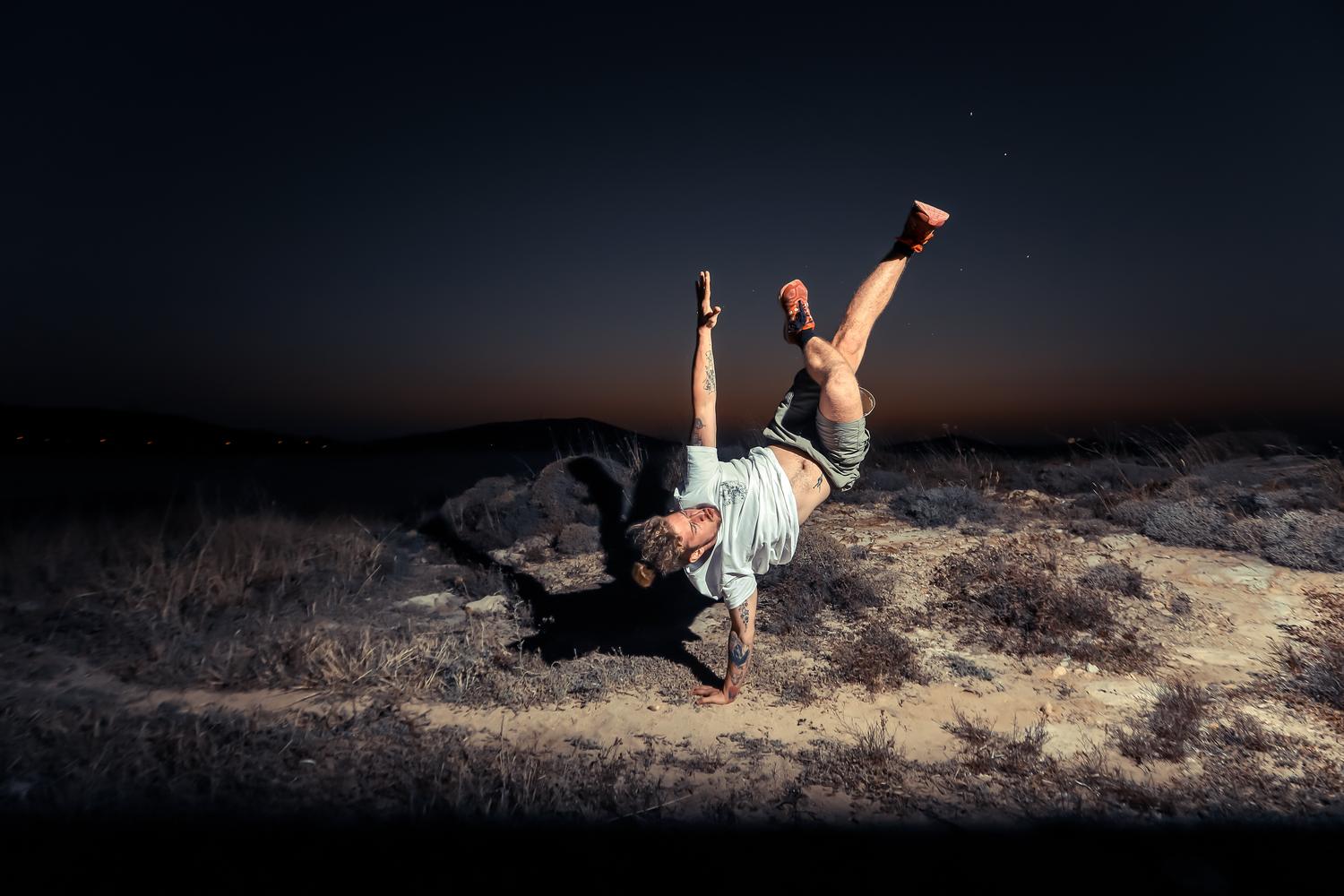
Acrobatics is sports photography's most honest exam: when the subject is airborne, there is no negotiation. In this series with Cagman Catay there were two problems — one technical, one philosophical.
The technical problem: focus consistency
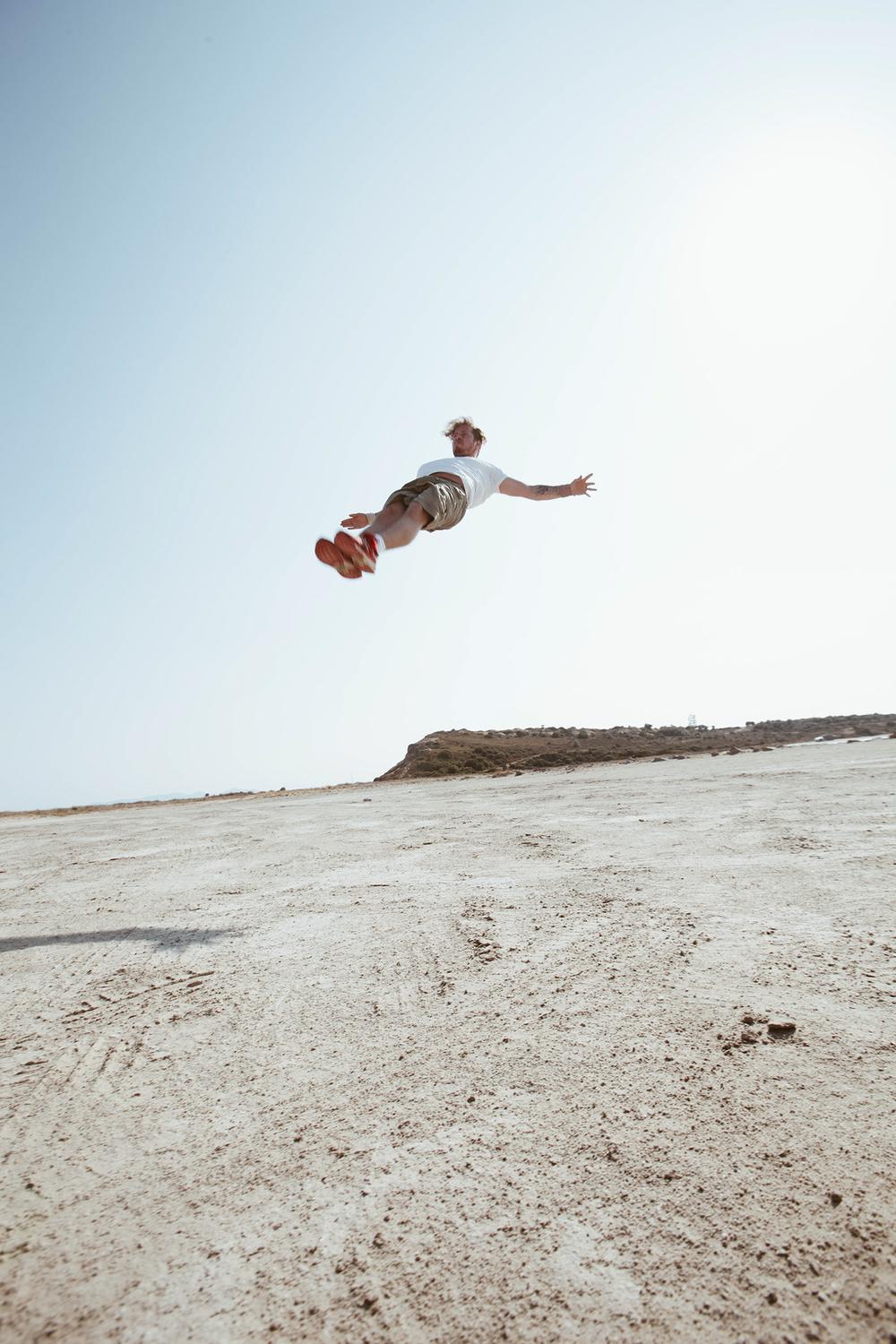
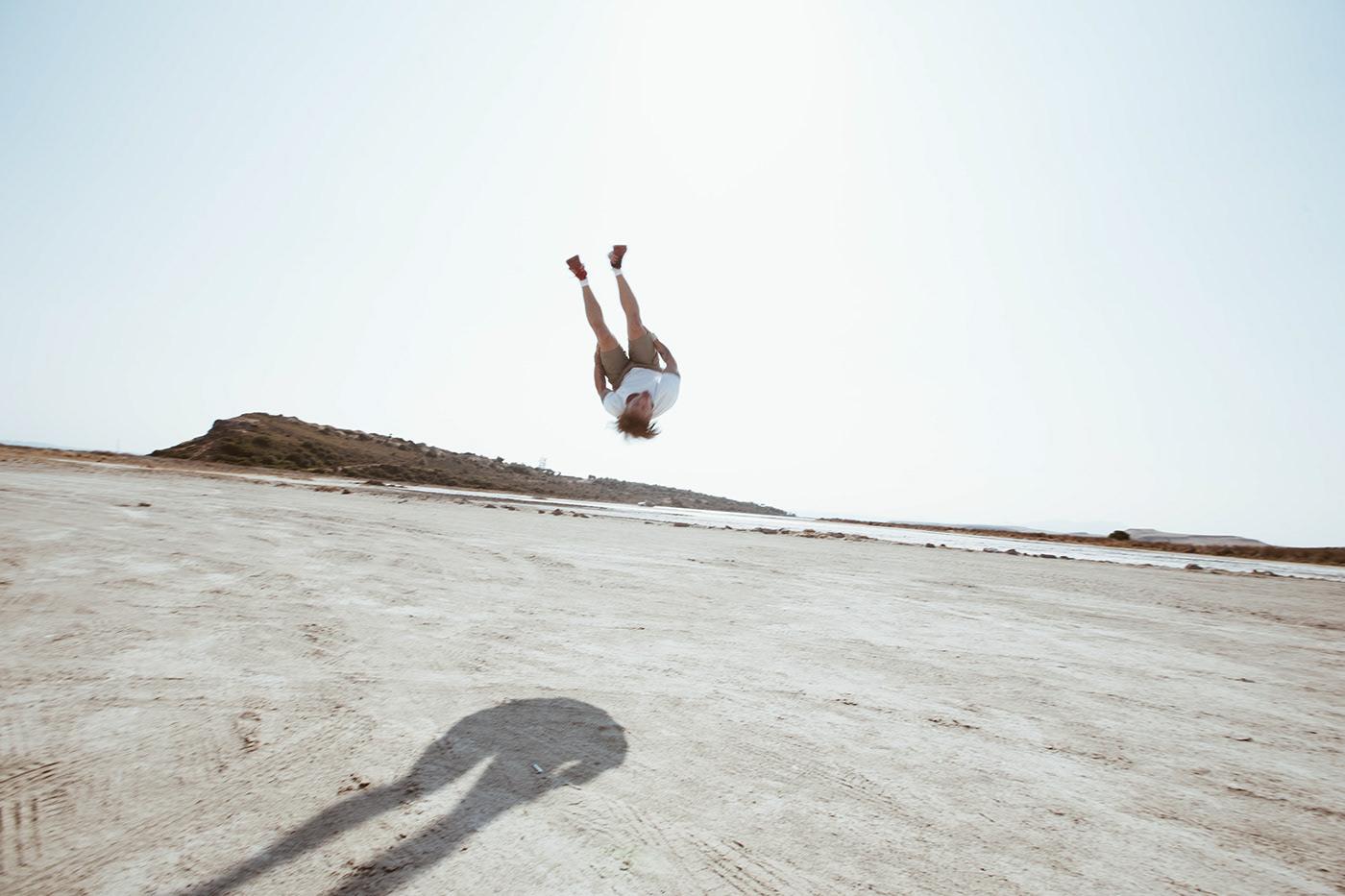
On a body rotating in mid-air, the surface AF should lock onto changes several times per second. Our solution stood on three legs: continuous AF in zone mode instead of wide area (so the camera watches "our chosen slice of the scene", not "the nearest thing"), pre-framing the apex of the jump (the acrobat's slowest, most predictable moment), and using burst in short pulses — a heartbeat, not a machine gun. We aimed not for one keeper in a hundred frames, but three in ten.
The philosophical problem: being present
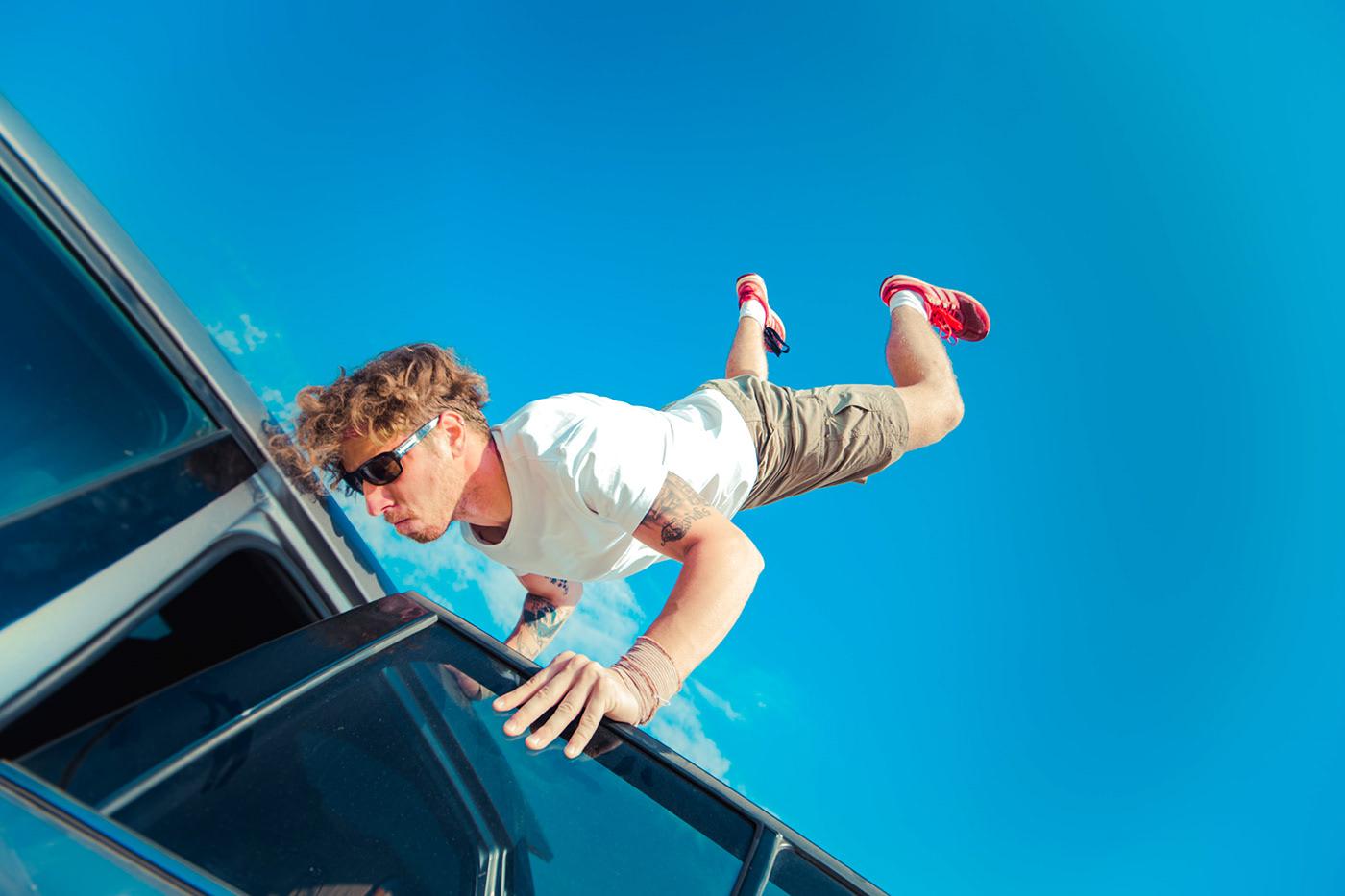
The paradox: the best acrobatics frame arrives when you stop watching the acrobatics. A photographer locked to the viewfinder sees the movement but misses the moment — the breath before the leap, the grin after it, both fall outside the frame. In this series we planted deliberate gaps: rounds where the camera came down and we simply watched. Every later frame fed on those rounds. Presence is not inefficiency; it is a calibration no expensive lens correction can perform.
The best frame of movement arrives when you stop watching the movement.



Let's write this story together.
Tell us about your project — we'll reply within 24 hours.
Get in Touch