FPV drones are the most radical camera movement of the last decade. Those shots that enter through a door and exit through a window, skimming a car by centimetres — all FPV. So where should someone who wants to start actually start?
Why is FPV different?
A classic drone is a crane: stable, smooth, safe. FPV is a flying steadicam: aggressive, fluid, risky. The difference is pilotage — FPV has next to no auto-stabilisation; every movement comes from your hands. That's why the image feels like a "flying eye", not a "flying camera".
Start in the simulator — really
My first advice is firm: at least 20–30 hours of simulator before buying a real drone. Velocidrone, Liftoff, Uncrashed... Muscle memory is free on screen and expensive in the air. You will crash on your first real flight — the question is where, and with how much money strapped to it.
Equipment: start simple
- Entry: a small cinewhoop (with prop guards) — safe indoors and around people.
- Camera: an action cam is enough at first; a naked GoPro is the next step.
- The legal side: drone registration and flight permissions apply almost everywhere — always check local airspace rules before a shoot. Even if the venue is "our garden", the airspace above it isn't.
You can't save an FPV shot in the edit — the shot is finished in your head before takeoff.
Cinematic FPV: flow, not speed
The common mistake: treating FPV as a speed show. The secret of cinematic FPV is flow — a single-breath, uncut shot that travels a location like a story. Before shooting I walk the route on foot: where do we enter, where do we slow down, what's the final frame? The flight is the reading of a sentence written in advance.
In the next article I cover how this flow works in wedding films — from the venue reveal to that single shot gliding over the first dance.
From the frame
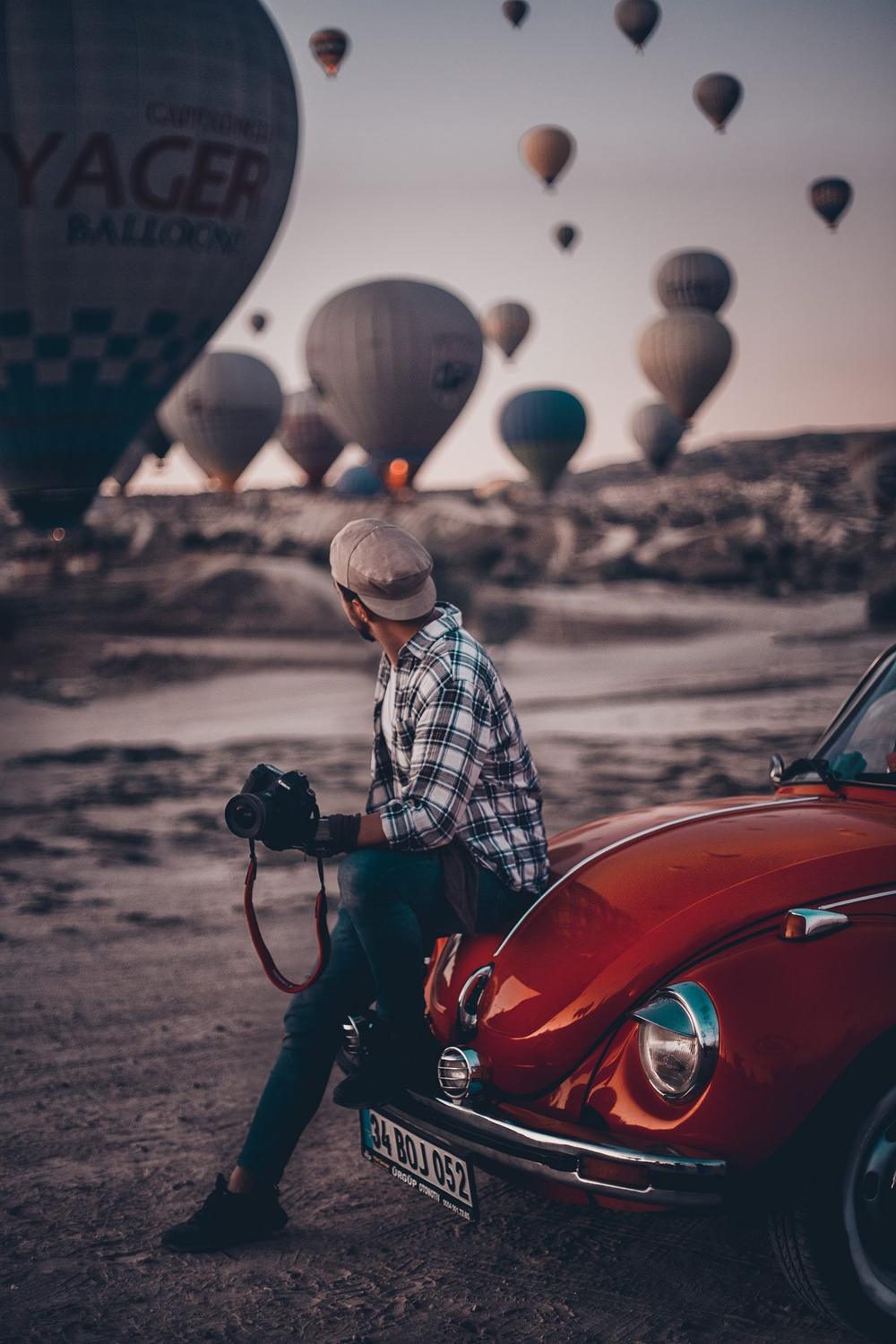
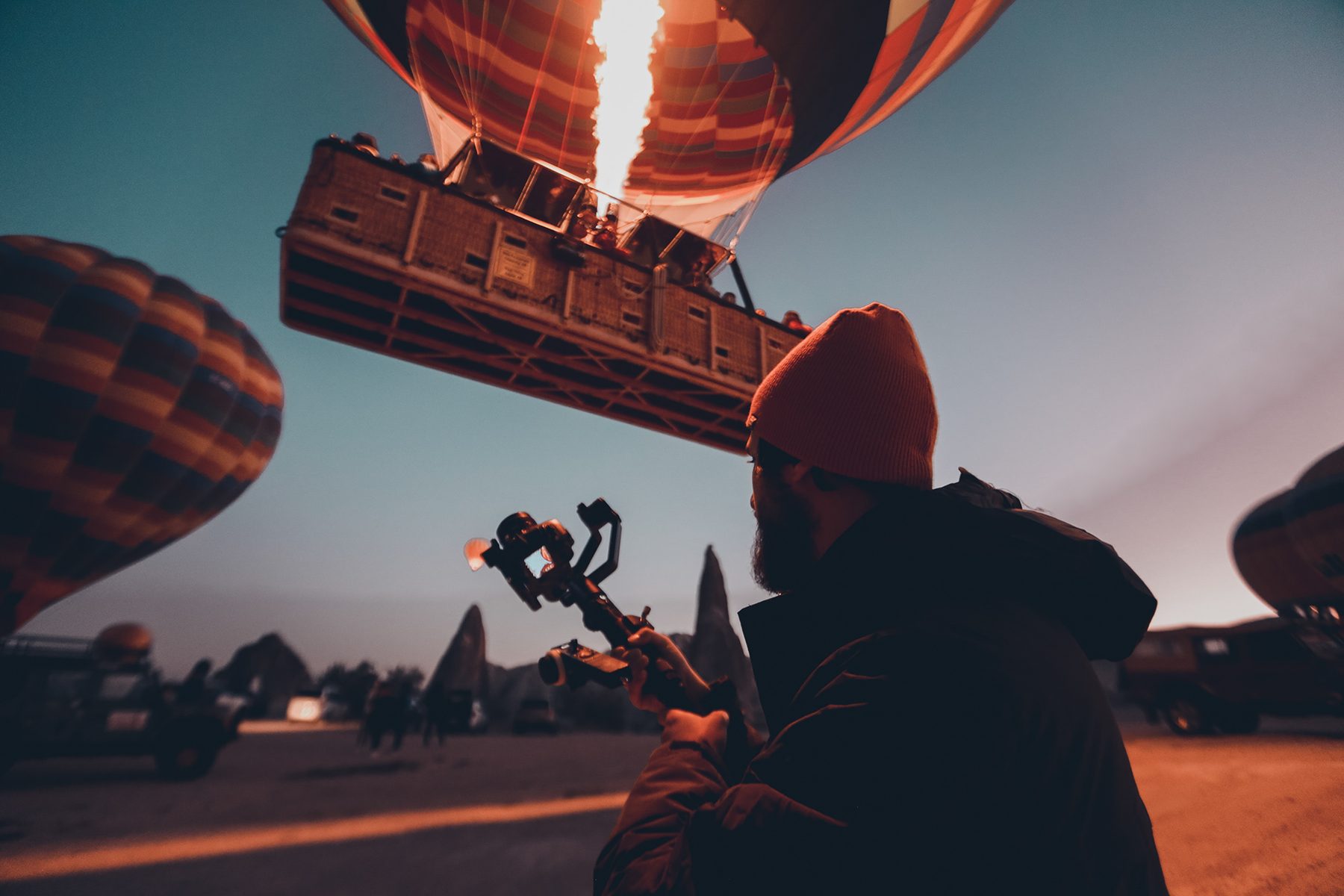
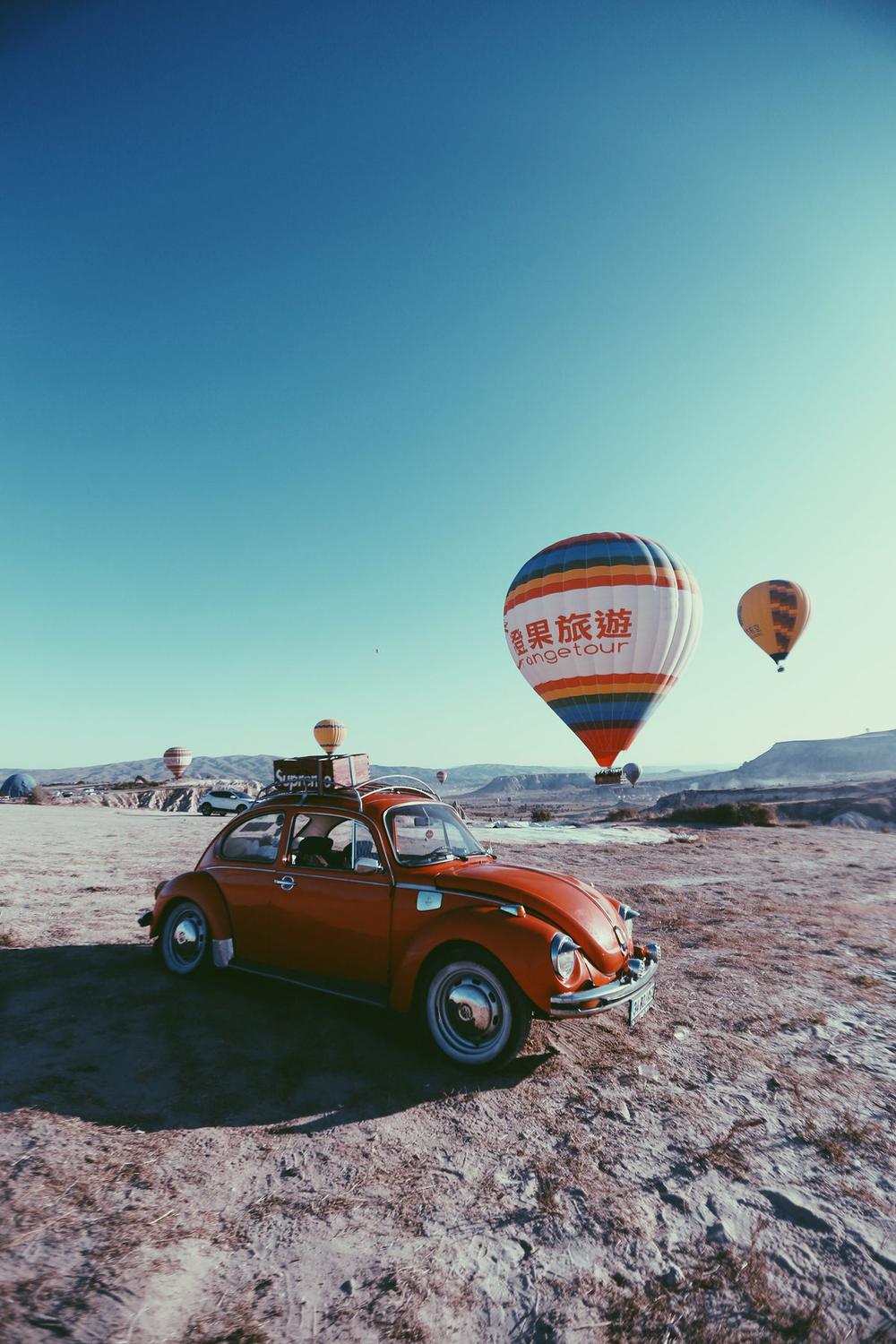
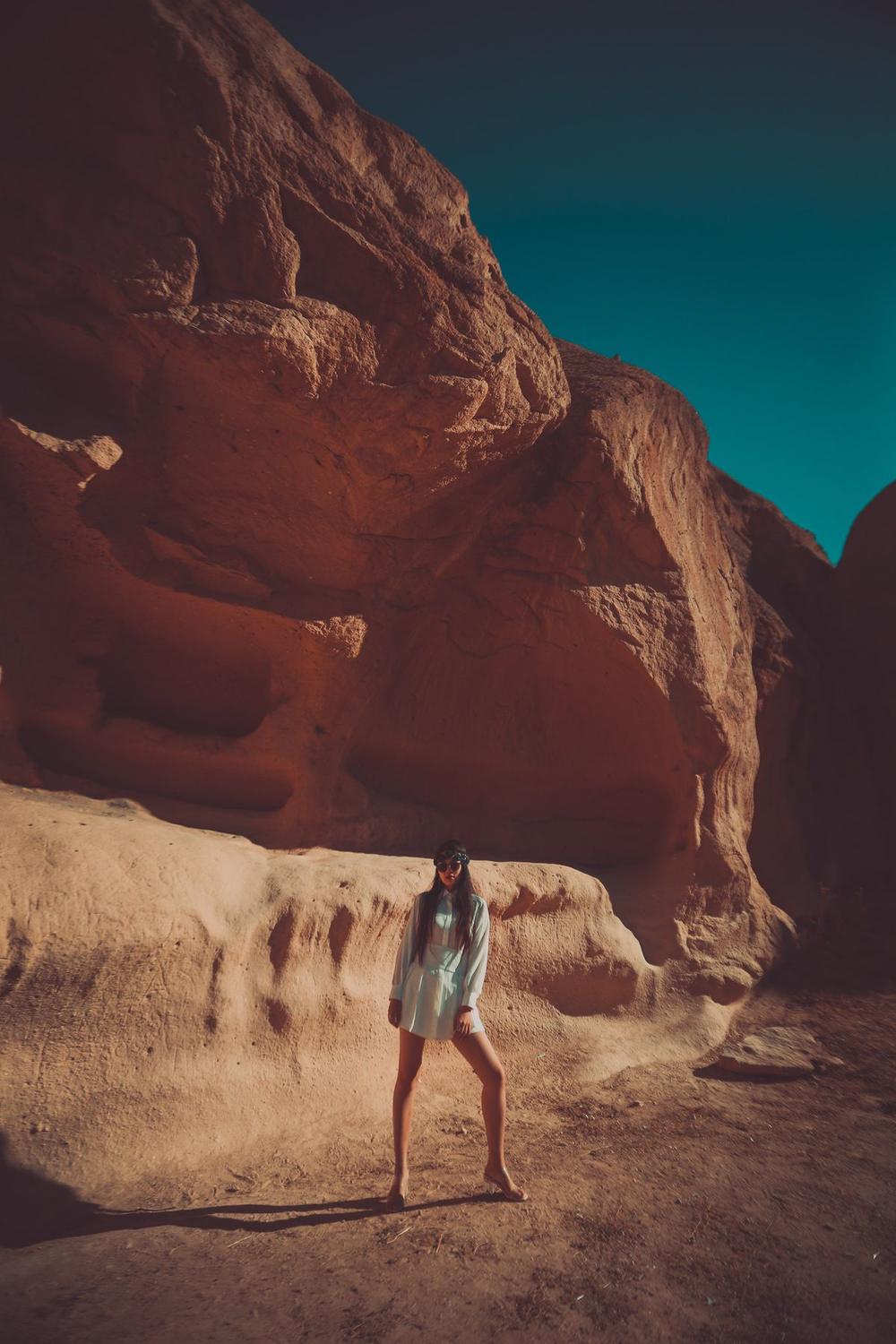
Chasing the flow: frames from the air.
Let's write this story together.
Send your date and the mood you imagine — I'll reply within 24 hours.
Get in Touch