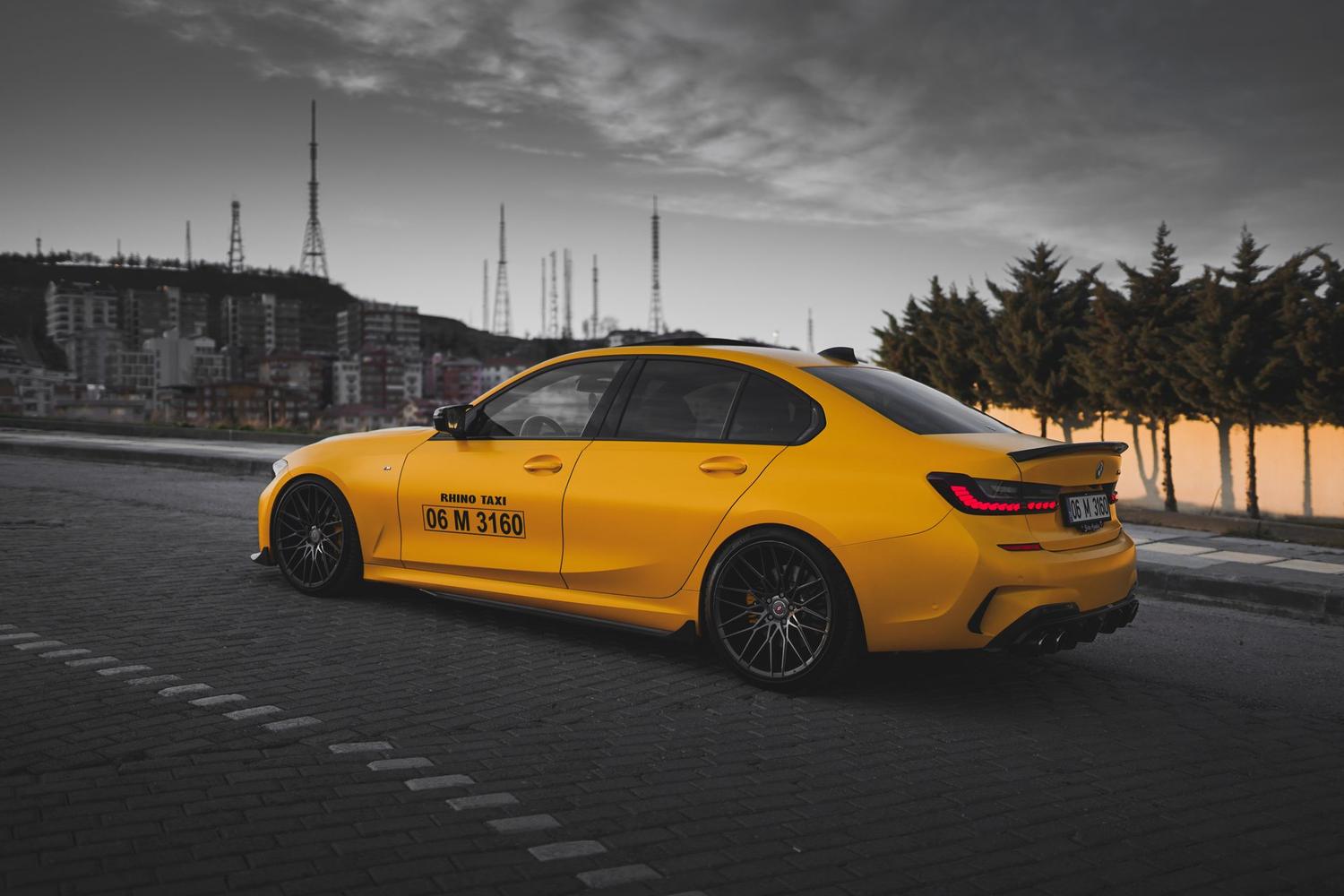
In automotive photography the subject isn't the car — it's the light on the car. Bodywork is a giant mirror, and you don't photograph the mirror; you photograph what it reflects.
Reflection control: the fundamental rule
You can't light a glossy surface; you give it something to reflect. That long, smooth strip of light on the bodywork is actually the reflection of the sky, a diffusion panel or the studio ceiling. The shoot plan starts with one question: "What do I want to see reflected in this surface?"
The Mercedes 300SL Gullwing: a case study
Shooting the Gullwing taught me this all over again. A curved, chrome-heavy, 70-year-old body — every wrong angle means an unwanted reflection in frame: equipment, me, a ceiling lamp. The solution is patience and black flags: cutting unwanted reflections with black panels, and dressing the body in the line of one large soft source. With the doors open, that famous gull-wing silhouette was drawn with a single strip light from above.
Bodywork is a mirror: you photograph not the mirror, but what it reflects.
Outdoors: working with the sun
Without a studio, the sky is your diffuser. Dusk — the blue hour — is automotive's golden hour: the sky reflects evenly on the body like a giant softbox, and headlights and city lights enter the scene. Midday sun is the enemy — hard, uncontrolled, magnifying every flaw.
Detail frames: the jewellery case
Wheels, badges, stitching, door handles... Detail frames are a campaign's jewellery display. Macro discipline applies: single-direction controlled light, an angle that reveals surface texture, and a soft wash of brand colour in the background.
Automotive is light discipline in its purest form. That discipline then travels everywhere — a cocktail glass and wedding-dress satin shine by the same rules.
Let's write this story together.
Send your date and the mood you imagine — I'll reply within 24 hours.
Get in Touch