When Neo is told the world is code, he's actually being given a materials lesson: every surface you see is the result of a definition. In 3D universes we write that definition every day — we call it material.
Material: the fabric of the universe
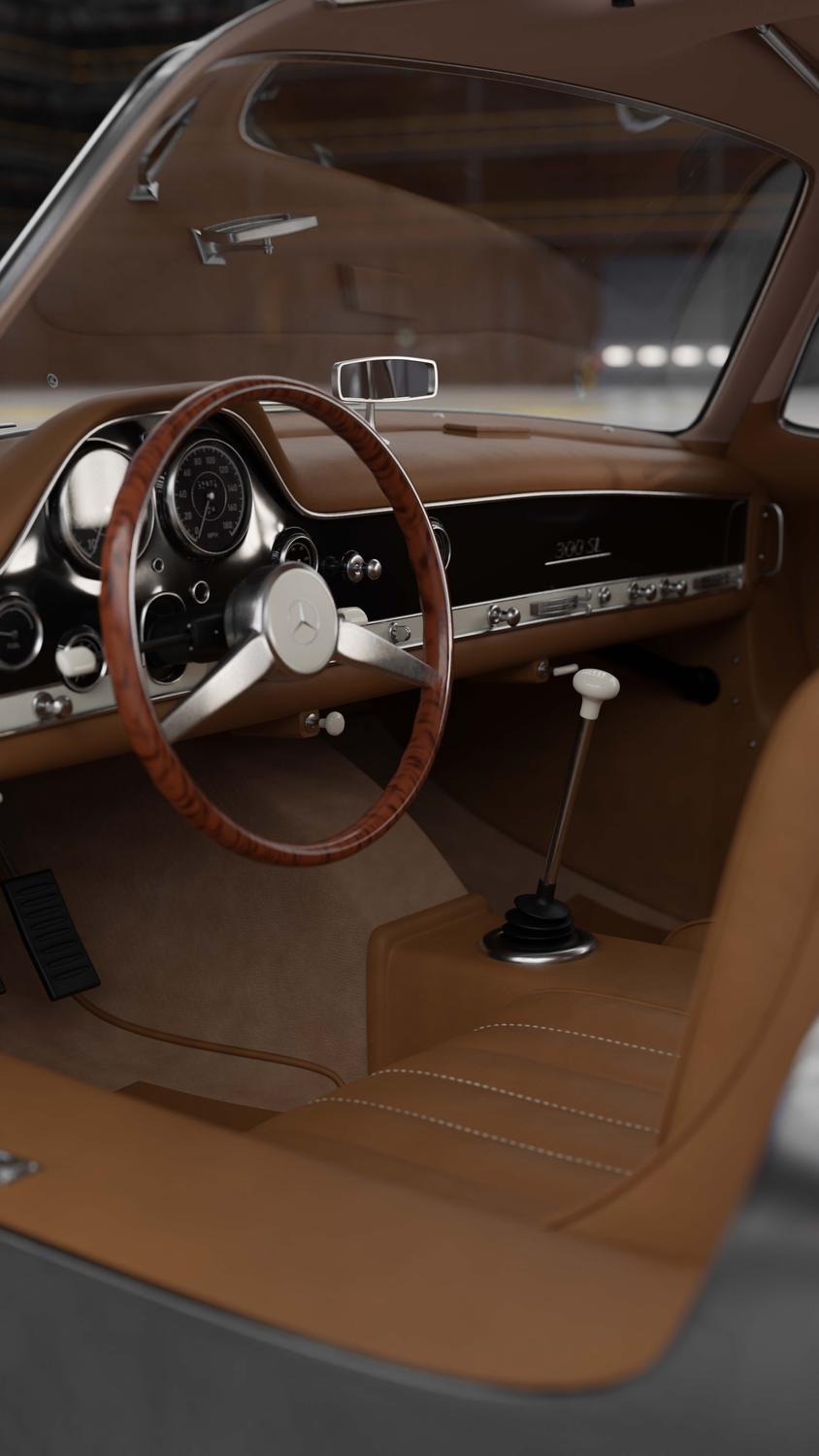
In a 3D scene there is no such thing as "metal"; there is a reflectance value, a roughness map and a fresnel curve. The digital twin of everything you touch in the real world is a few hundred lines of material definition. What the code rain is to the Matrix, our shaders are to us: the language beneath the visible face of the universe.
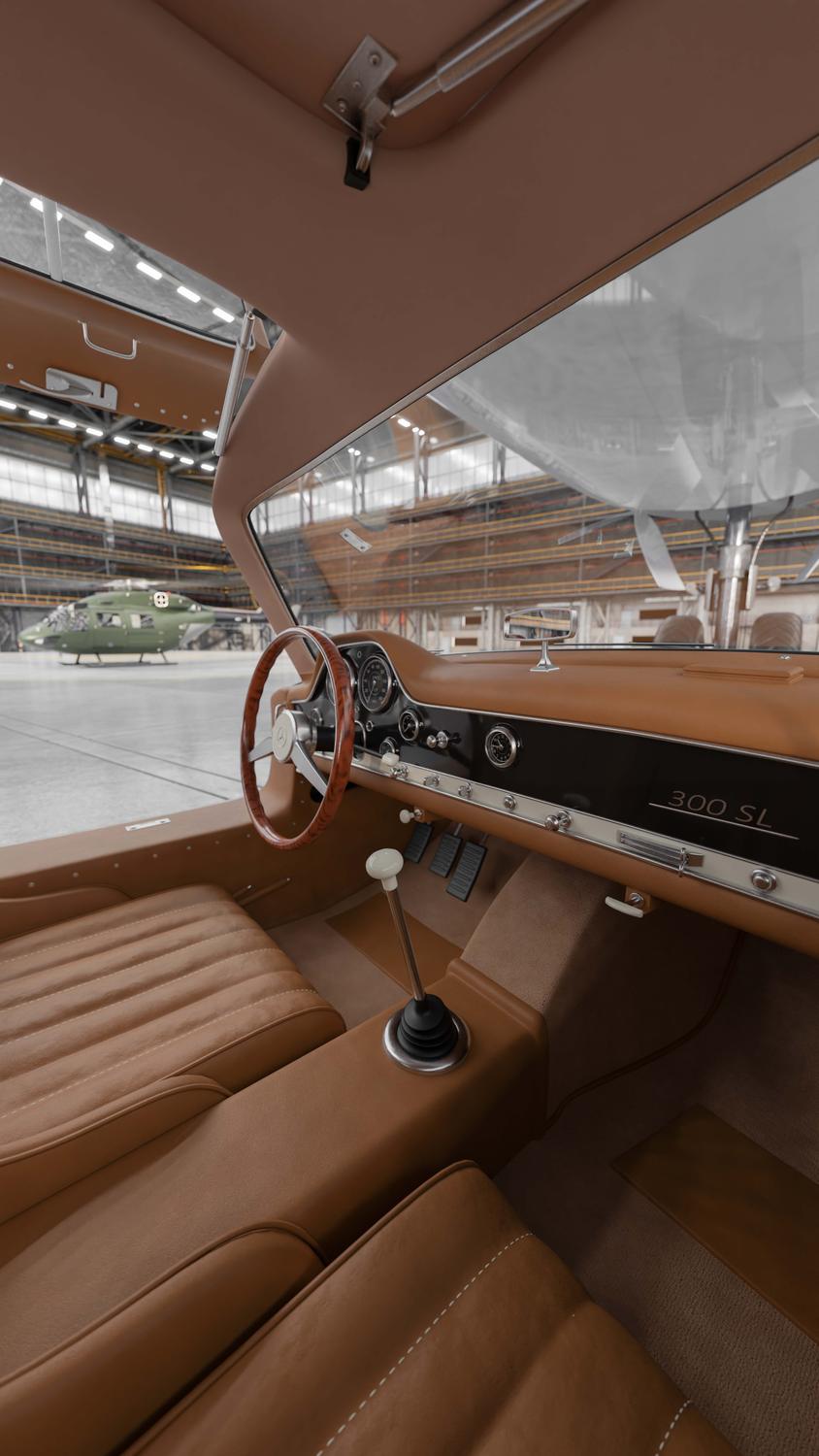
The Gullwing: a legend in another universe
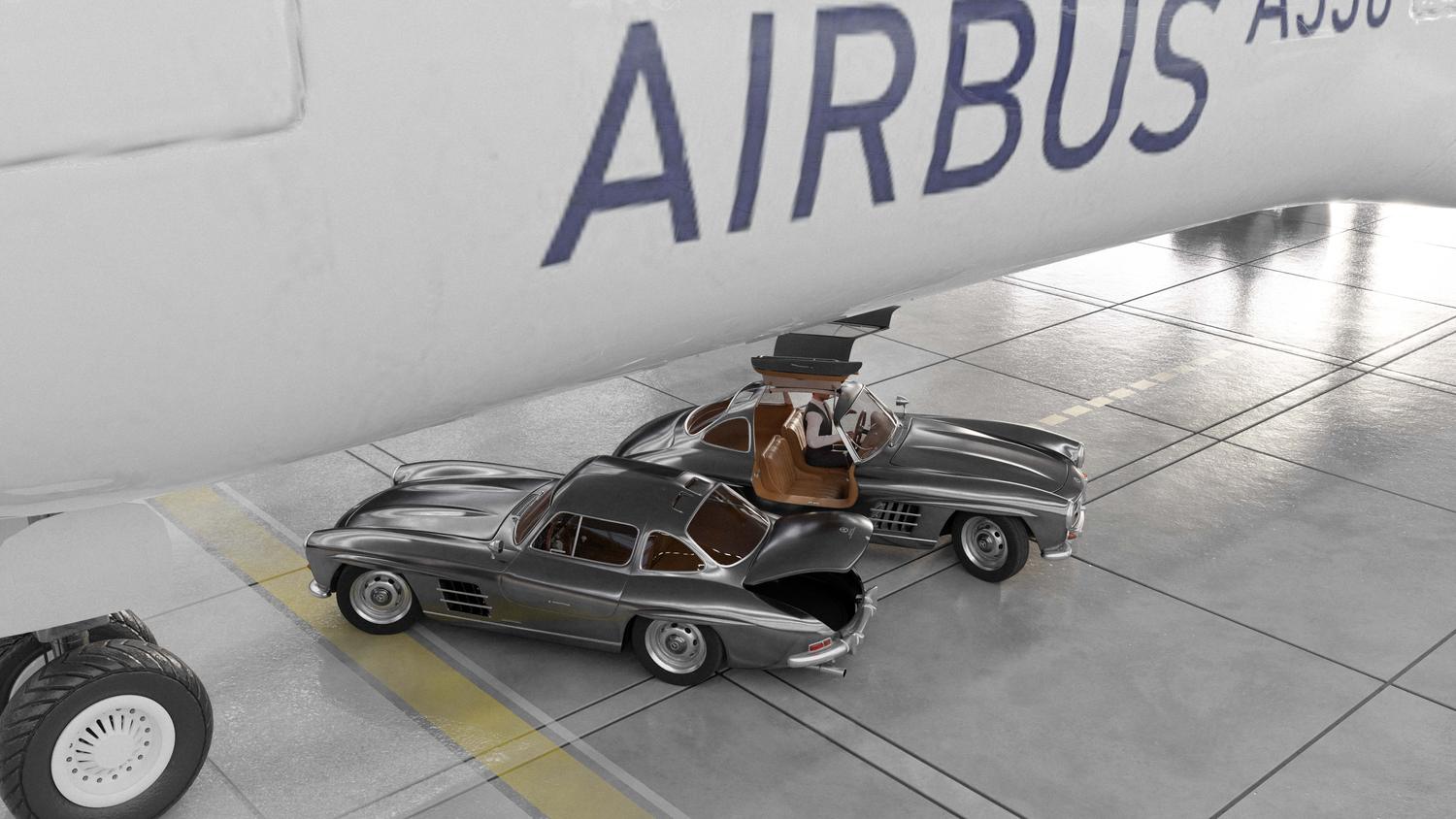
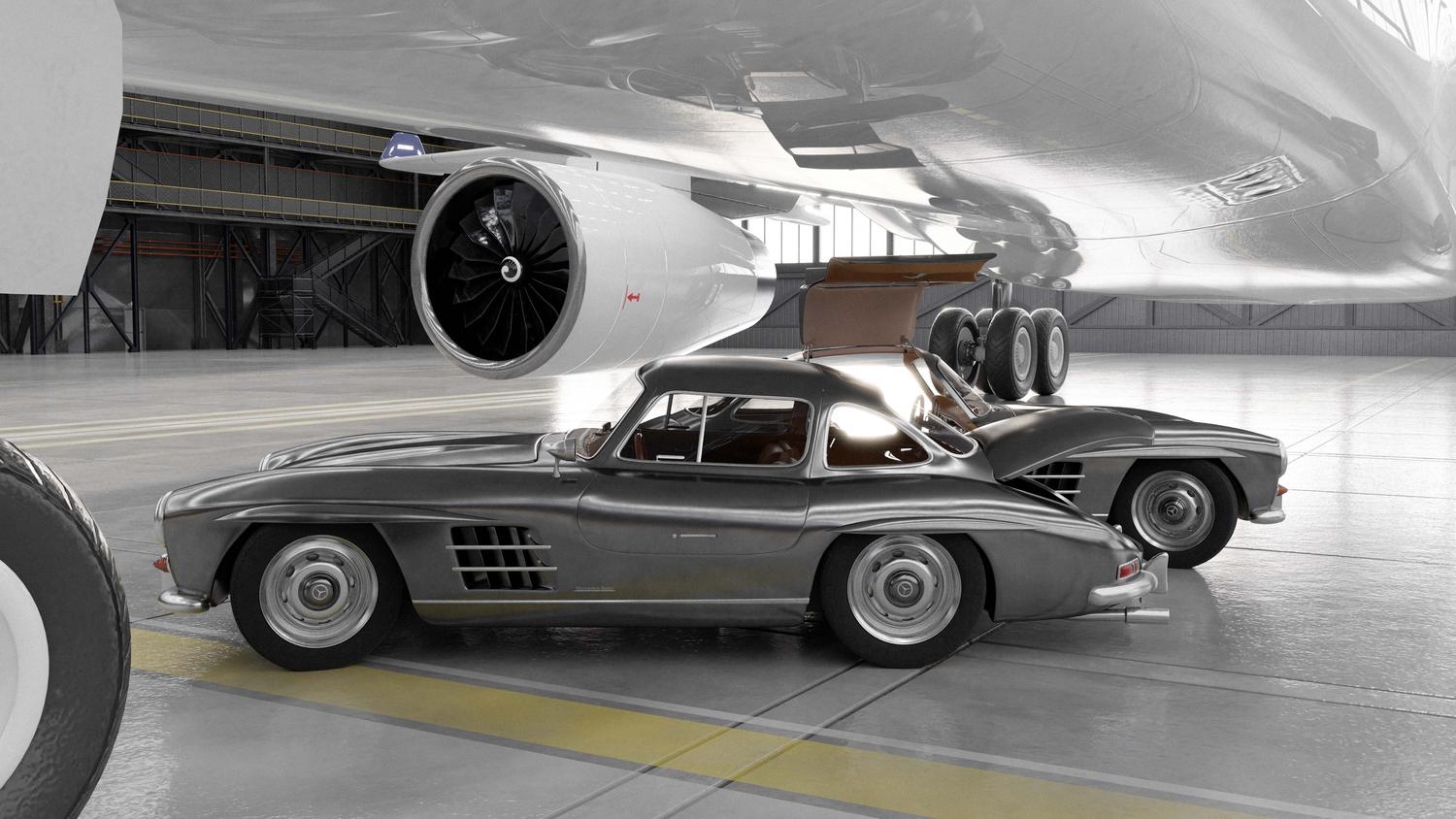
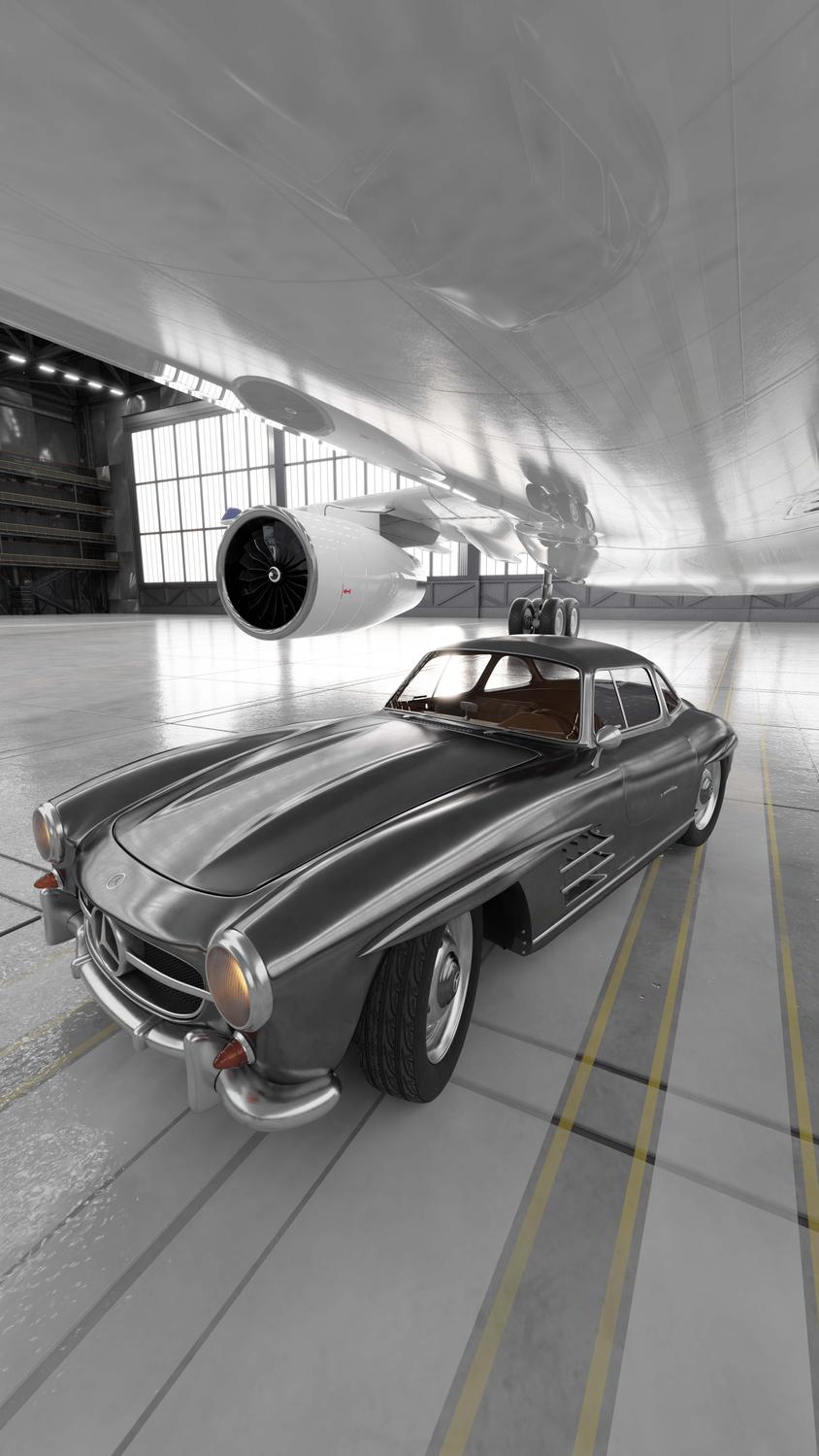
At the heart of the Aero series stands a form we're obsessed with: the gull-winged coupe. We placed it in a hangar — but this hangar is on no map. Its light comes from a sun that never rose, its reflections from a floor never touched. And yet everyone looking at the frames asks the same thing: "Is this real?"
Here is the philosophical knot: the feeling of reality doesn't come from reality — it comes from consistency. The metallic layer under the body paint, the grime on the glass, the micro-scratches on the floor... When they all obey the same physics, the brain is convinced. That was the Matrix's lesson too: if the system is consistent, it is real for those inside it.
Nothing is found in a 3D universe — everything is built. Even the light.
What the photographer brings to 3D
Byadoniaa's 3D work is fed by photography: we learned where to put the camera and how light breaks over bodywork on real sets. 3D gave us a limitless set; photography taught us what to look for on it. Aero is where the two worlds shake hands.

Let's write this story together.
Tell us about your project — we'll reply within 24 hours.
Get in Touch