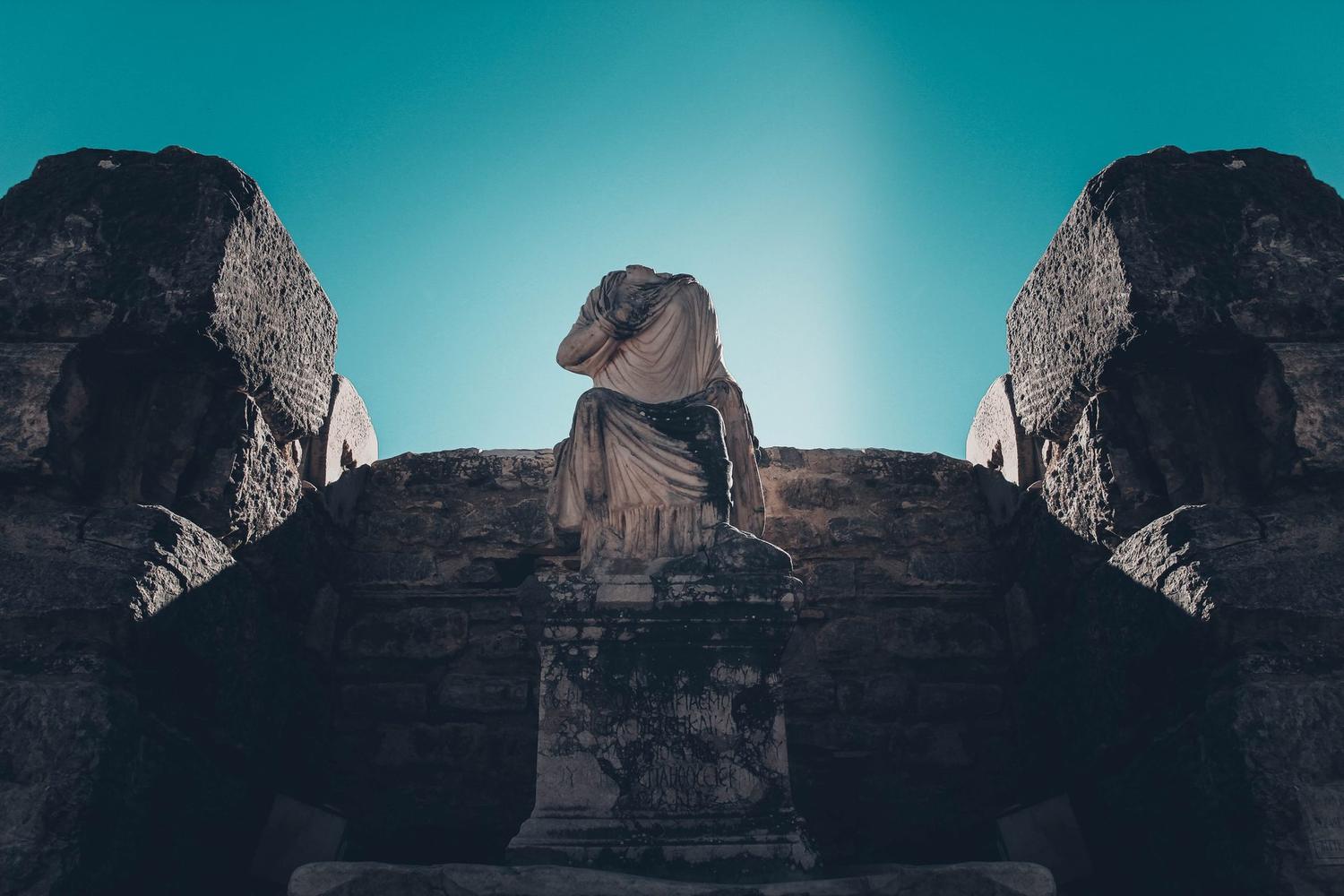
I have more than two hundred frames on Unsplash; they've been viewed millions of times. Most were taken on journeys that were not "photo trips". The most important thing travel photography taught me: the best frames come from attention, not planning.
The tourist frame and the traveller frame
Two photographers in the same square: one shoots the monument, the other shoots the man drinking tea in the monument's shadow. Both are legitimate — but the first is a photo of the place, the second is the story of the place. That's what I call the traveller frame: not the one that proves where you were, but the one that makes you feel it.
Light doesn't travel in your luggage
On the road you have no lighting equipment; you have a clock. The first hour of the morning and late afternoon — wherever you go, those two windows give the light that tells a place's character most honestly. Midday is for scouting: I walk the route and bookmark frames in my head; the shutter waits for evening.
The best travel frame comes from attention, not planning.
People: distance and permission
For street portraits I carry two rules: person first, frame second. Eye contact, a greeting, a short chat if needed — most people open up once they understand you want them to be part of a story. A "candid" frame taken in secret usually looks fake next to a natural frame taken with permission.
Less equipment, more walking
On the road: one body, one or two lenses. A heavy bag means short walks; short walks mean few frames. My kit is usually a single 35mm — constraint is creativity's best editor. No zoom means feet; you walk until you find the frame.
Some of these frames sit free on Unsplash, some in the portfolio here. But the real archive is still on the road — on the next flight, in the next morning's light.
Let's write this story together.
Send your date and the mood you imagine — I'll reply within 24 hours.
Get in Touch