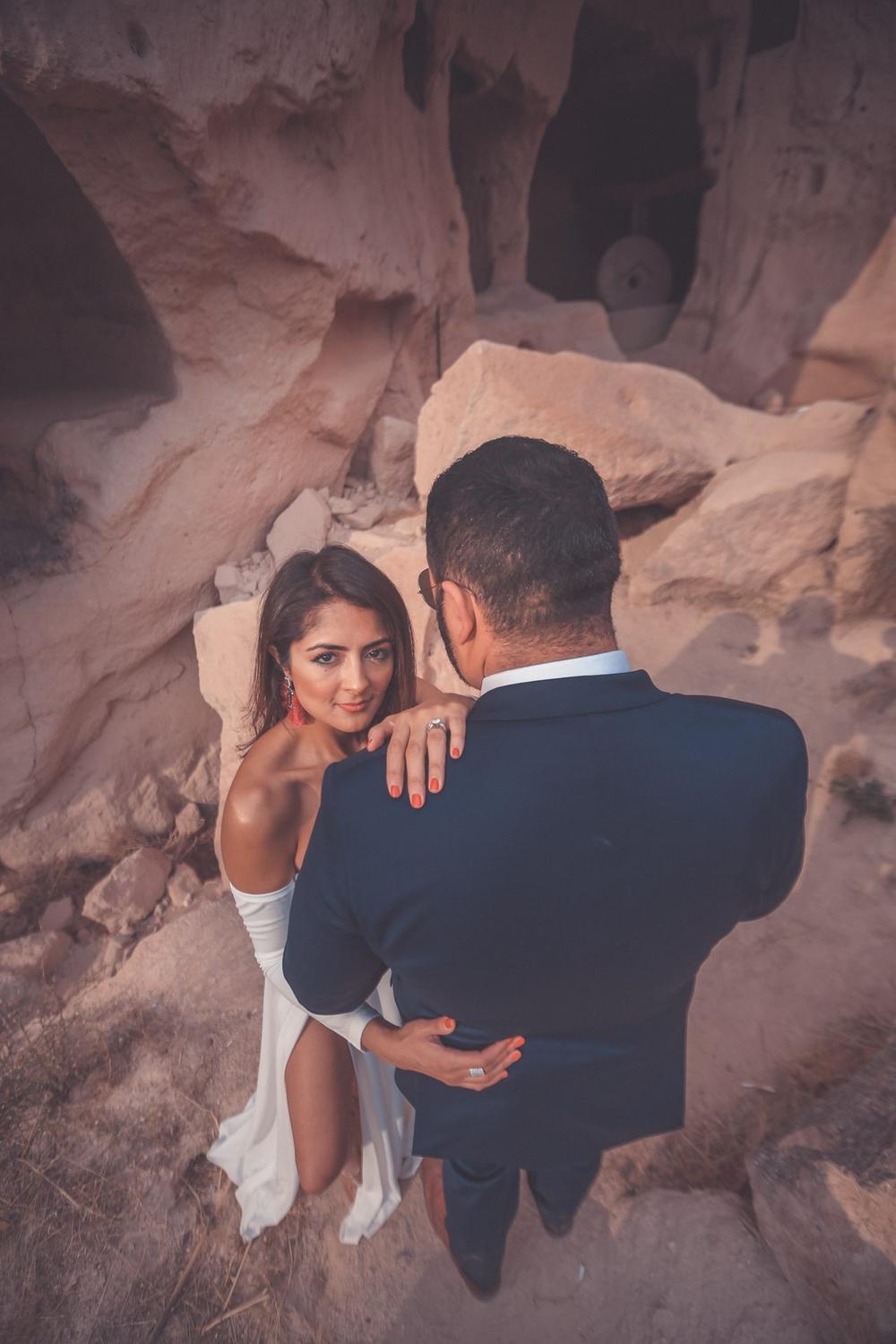
The word "cinematic" is used so much in wedding photography that it risks losing its meaning. Not every dim photo is cinematic. So what is?
1. A story moment
Pause any film frame: even in that single image you feel a before and an after. A cinematic wedding frame works the same way — the deep breath a father takes before walking his daughter down the aisle, the half second before the first look. Choosing the moment comes before light, before composition.
2. Directional light
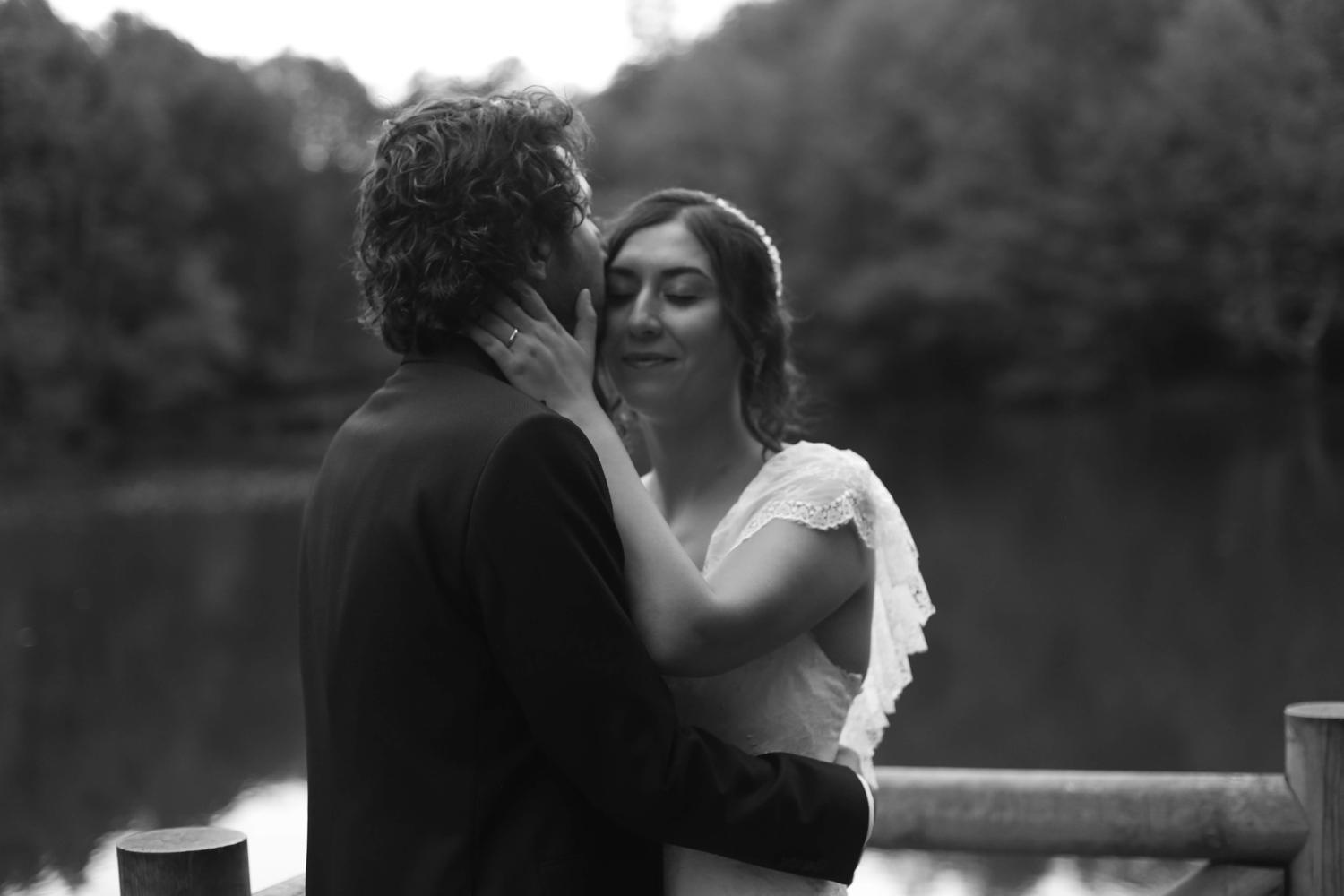
In cinema, light is almost always motivated: a window, a lamp, a candle — the source is readable. Flat, even light gives you a "recording"; directional light builds a "scene". Half a face in shadow isn't a flaw — it's depth.
3. Frame discipline
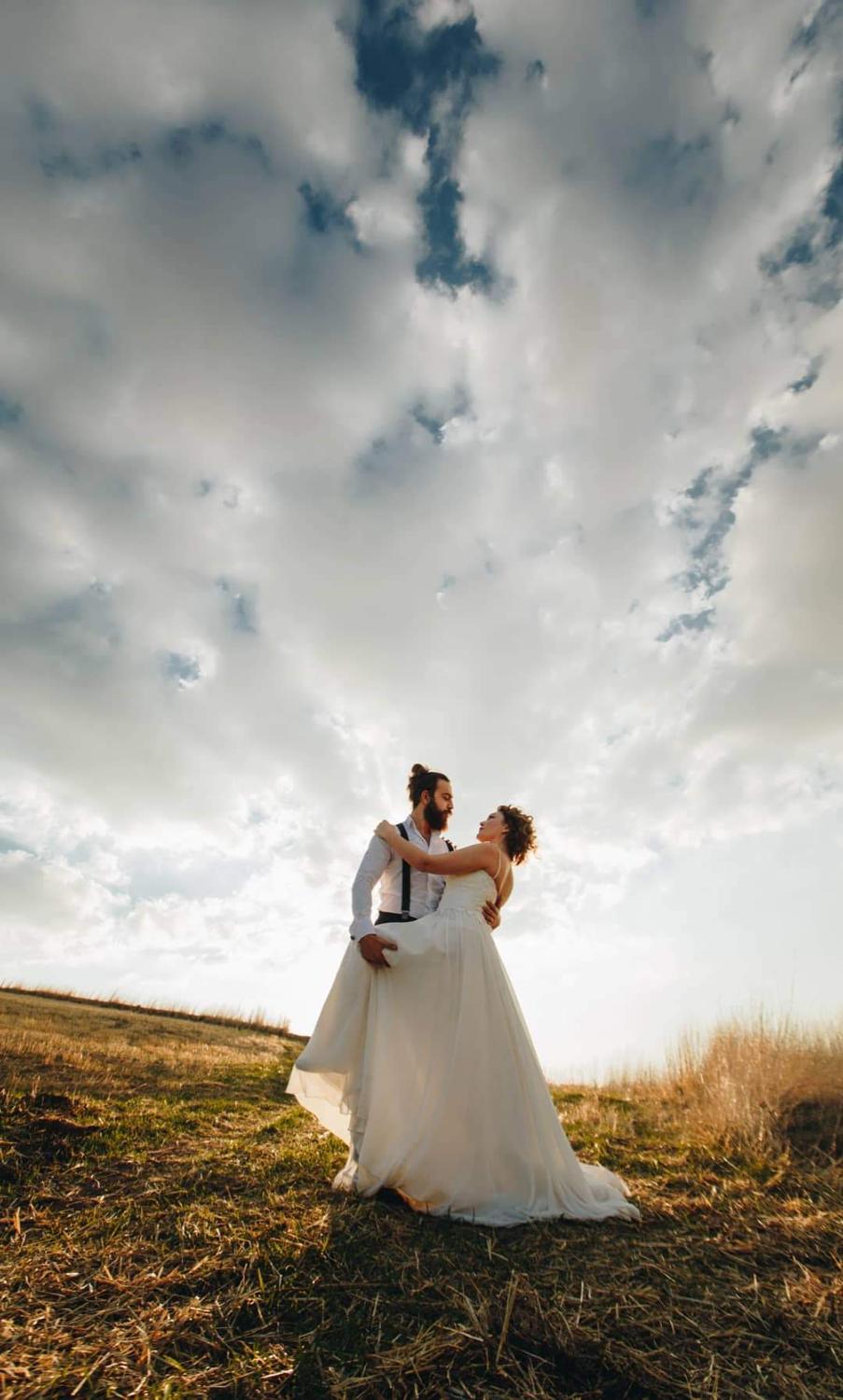
If you shoot wide, the space must be intentional. Like in films: the subject sits in a third of the frame, and the remaining space tells the story — the place, the weather, solitude or crowd. Emptiness isn't a mistake to fill; it's a narrative tool.
4. Colour grading
The most recognisable signature of the cinema image: a controlled palette. Slight coolness in the shadows, consistent warmth in the highlights, continuity in skin tones. The goal isn't stamping a filter — it's supporting the day's emotion with colour. A dramatic winter wedding and a sunny garden wedding cannot share a palette.
5. Consistency
One cinematic frame can be luck; a cinematic album demands a style. When frames shot all day with the same eye, the same light reading and the same colour language sit side by side, they flow like a film strip. When choosing a photographer, don't judge a single frame — ask for a complete wedding series. Style reveals itself there.
A cinematic frame is a paused film scene: it makes you wonder about the before, and feel the after.
From the frame
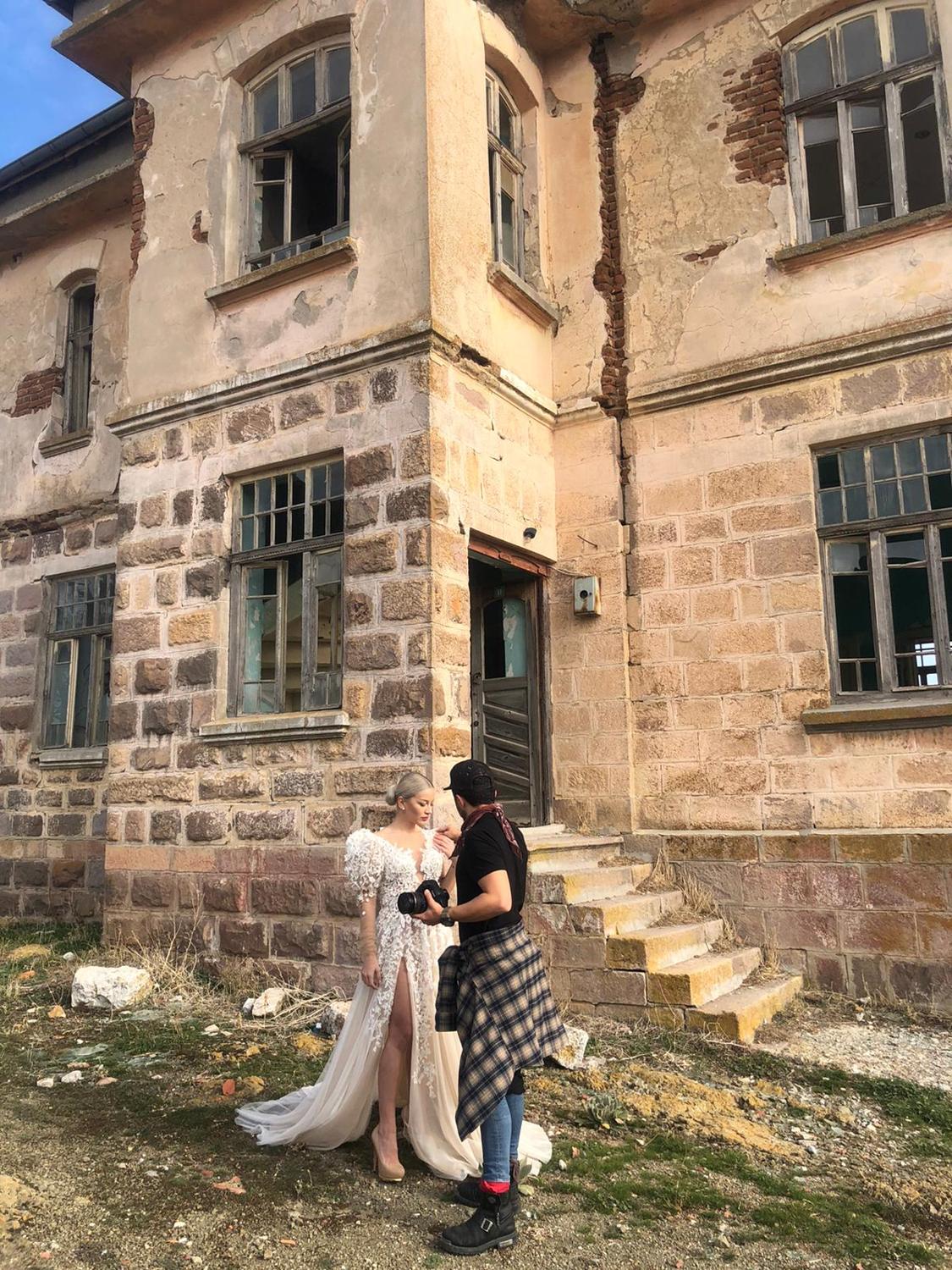
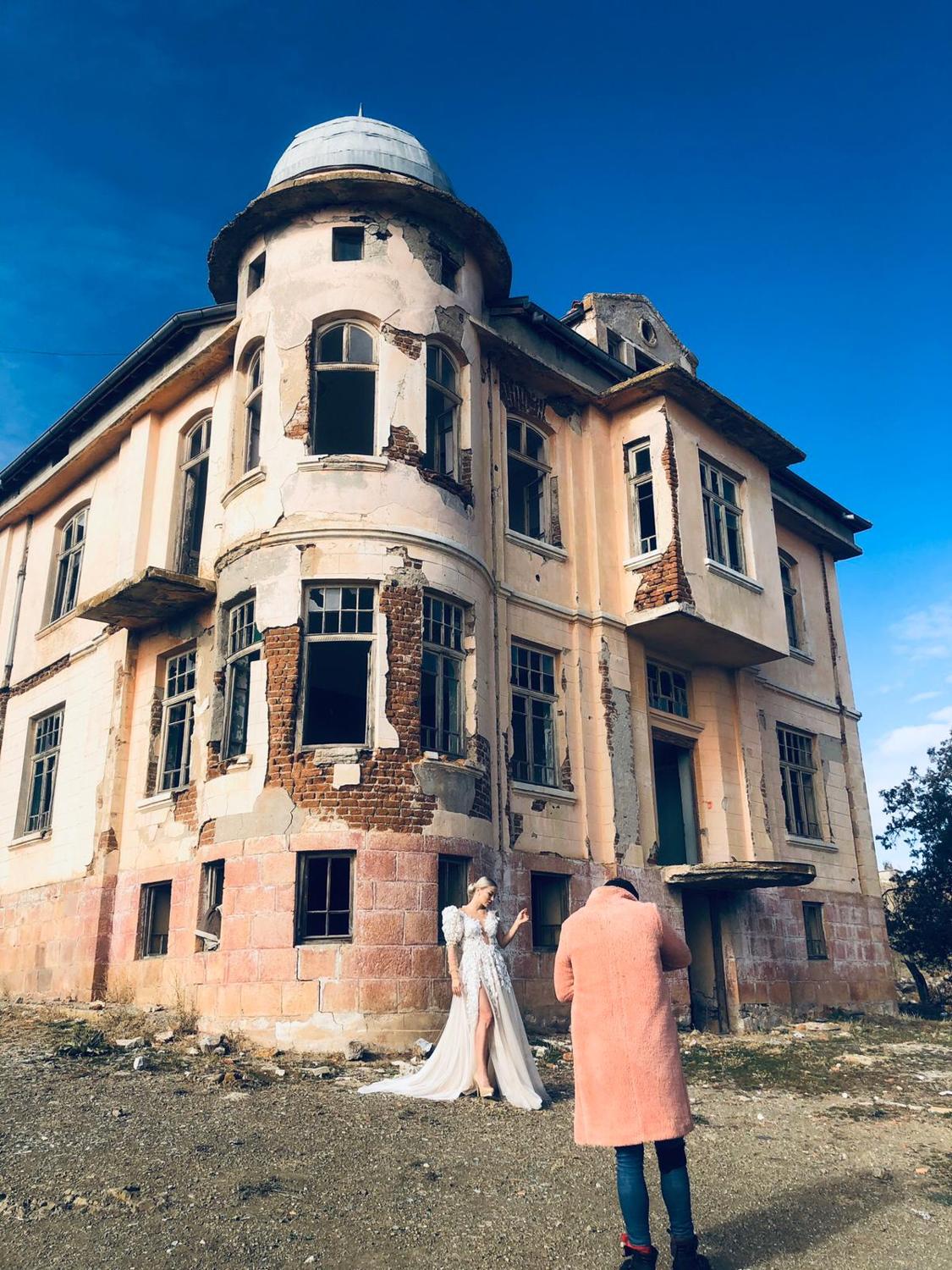
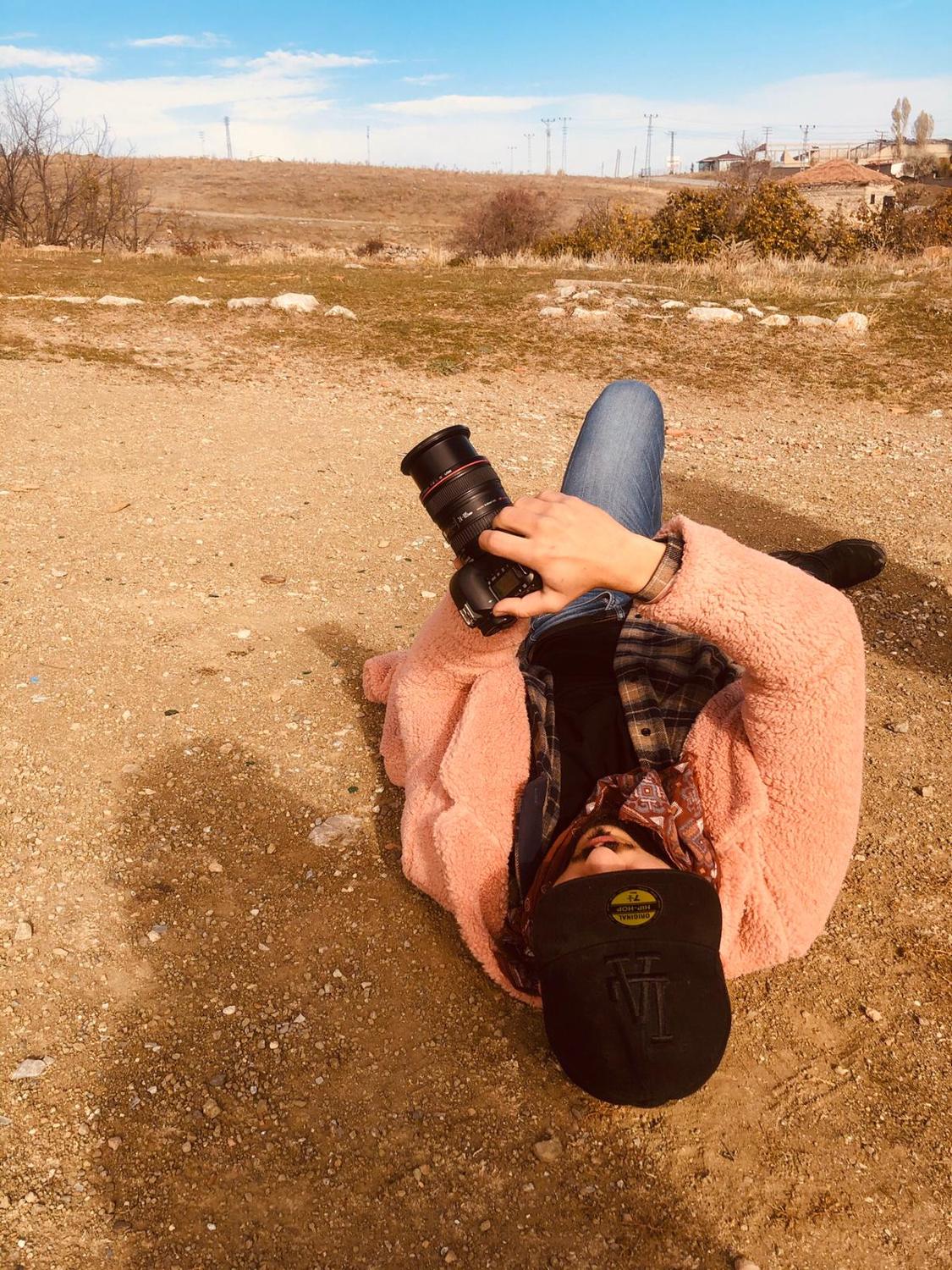
Five criteria, five examples.
Let's write this story together.
Send your date and the mood you imagine — I'll reply within 24 hours.
Get in Touch