Whoever sees the starry frames in my portfolio asks the same first question: "Is this a single exposure?" The answer is no — and this article is the guide to why "no" is the better answer. Our subject: long exposure and the stacking technique.
The problem with a single long exposure
The classic approach is simple: tripod, 20-30 second exposure, stars in frame. But it has three enemies: noise (the sensor heats up, shadows fill with speckle), star trailing (past ~25 seconds stars turn from points to lines — the 500 rule) and single-frame risk (a plane crosses, wind hits → the exposure is garbage).
Stacking: many frames, one sky
The logic: instead of one 4-minute exposure, you shoot 10-16 frames of 15-20 seconds. Then you align and average them in Photoshop (or tools like Sequator / Starry Landscape Stacker). The result:
- Noise drops mathematically: random noise cancels out in the average; signal (stars, landscape) stays. 16 frames ≈ 4× cleaner shadows.
- Stars stay points: each frame's exposure is short, so no trailing; alignment registers the stars on top of each other.
- Risk is distributed: a plane in one frame? Throw that frame away — the series survives.
The Photoshop workflow
- Load frames as layers (File → Scripts → Load Files into Stack, with "Attempt to Automatically Align" checked).
- Select all layers and convert to a Smart Object.
- Layer → Smart Objects → Stack Mode → Mean (or Maximum if you want star trails).
- Shoot a separate long exposure for the foreground and blend with a mask — sky and landscape give their best with different recipes.
Instead of one heroic exposure, the mathematics of sixteen: stacking is the night photographer's insurance.
Field notes
- Raise ISO without fear (3200-6400): the stack will kill the noise anyway.
- Open the aperture (f/1.4-f/2.8), cut exposure by the 500 rule (500 ÷ focal length = seconds).
- No lens heater? Check the front element between exposures — dew is the night's quiet killer.
- 2-second delay or a remote before the first frame: tripod vibration leaves traces even in a stack.
The Milky Way frames on this page — including the starry skies in my wedding series — are all products of this recipe. Try it; once you see the clean shadows of your first stack, there's no going back.
From the frame
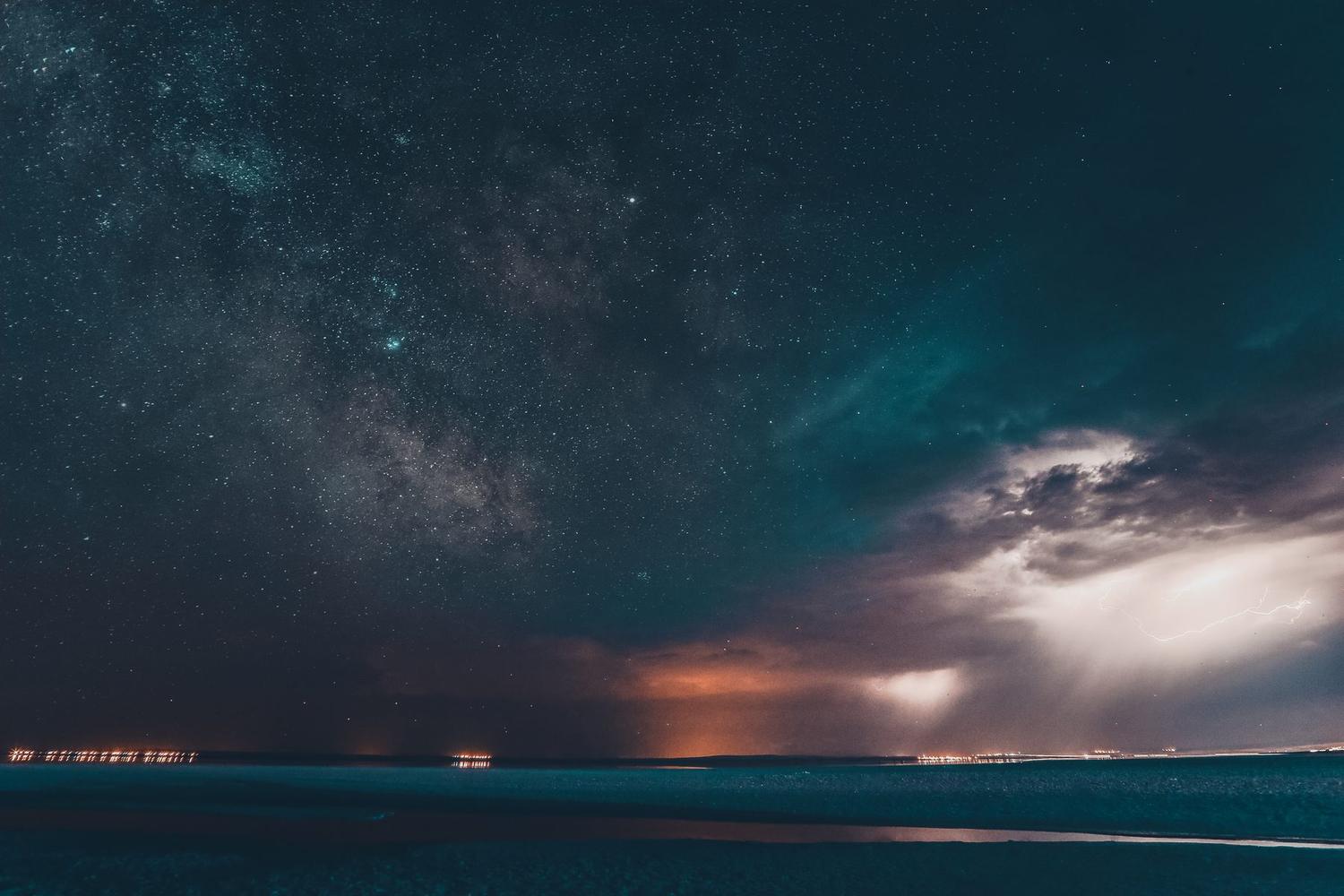
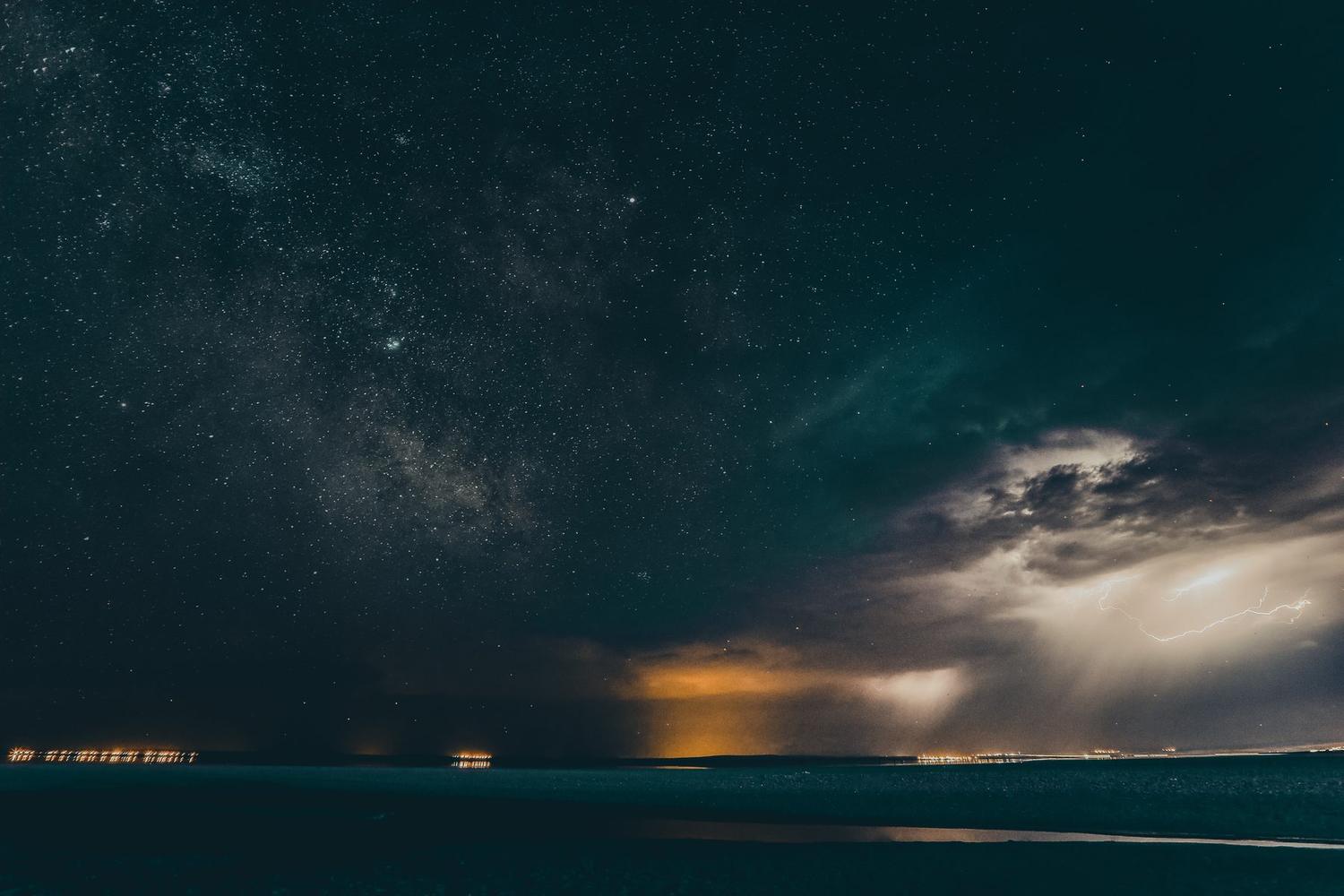
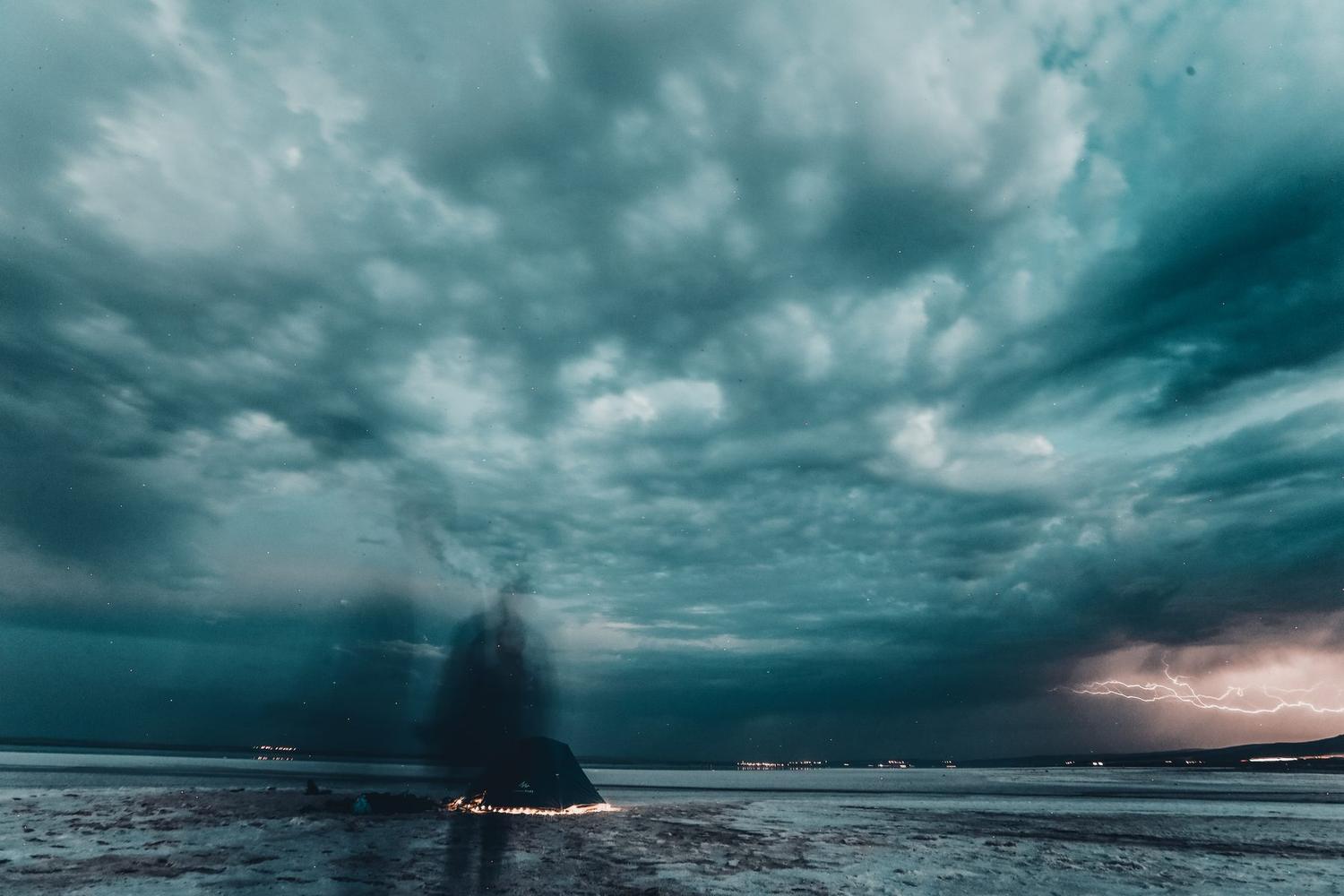
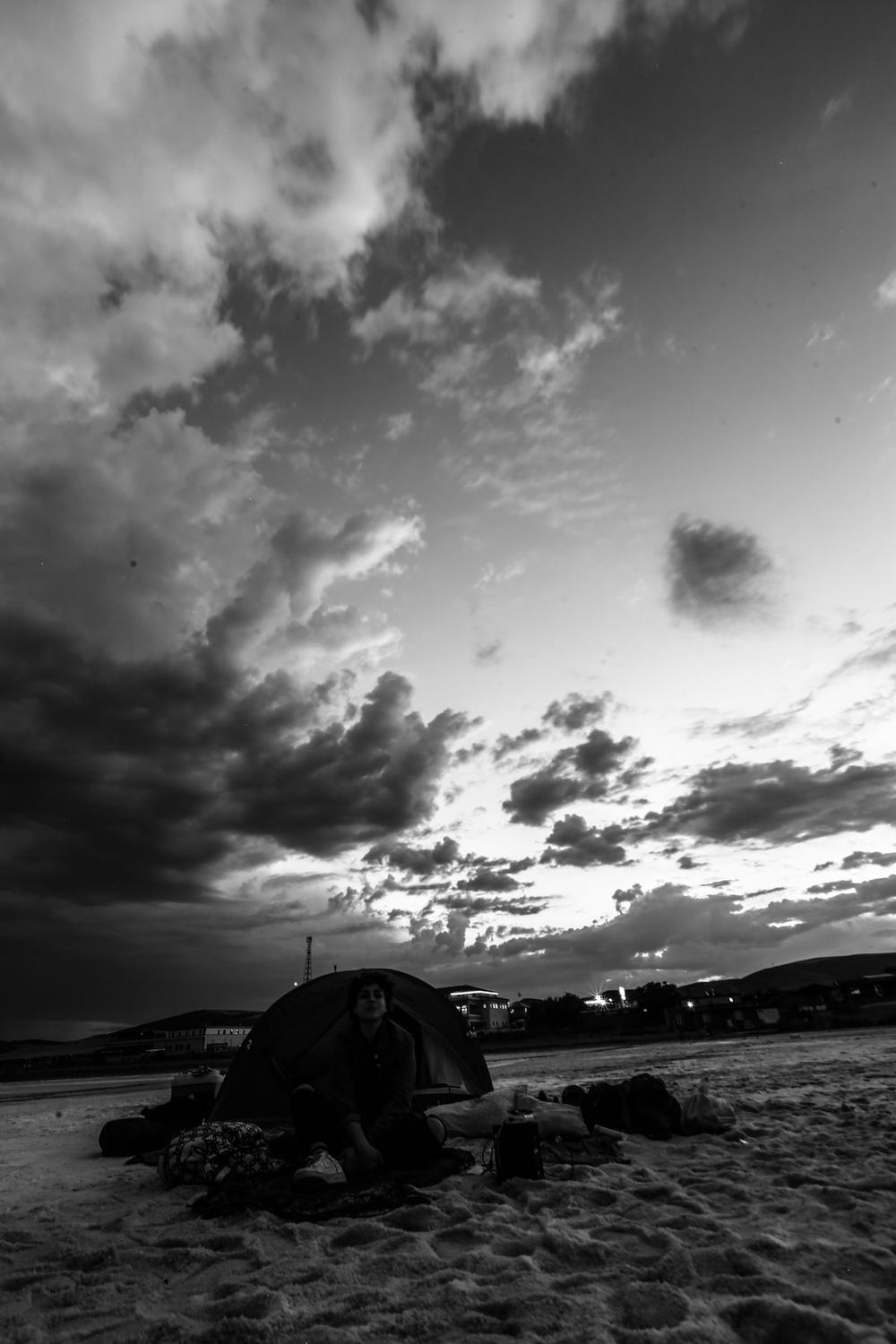
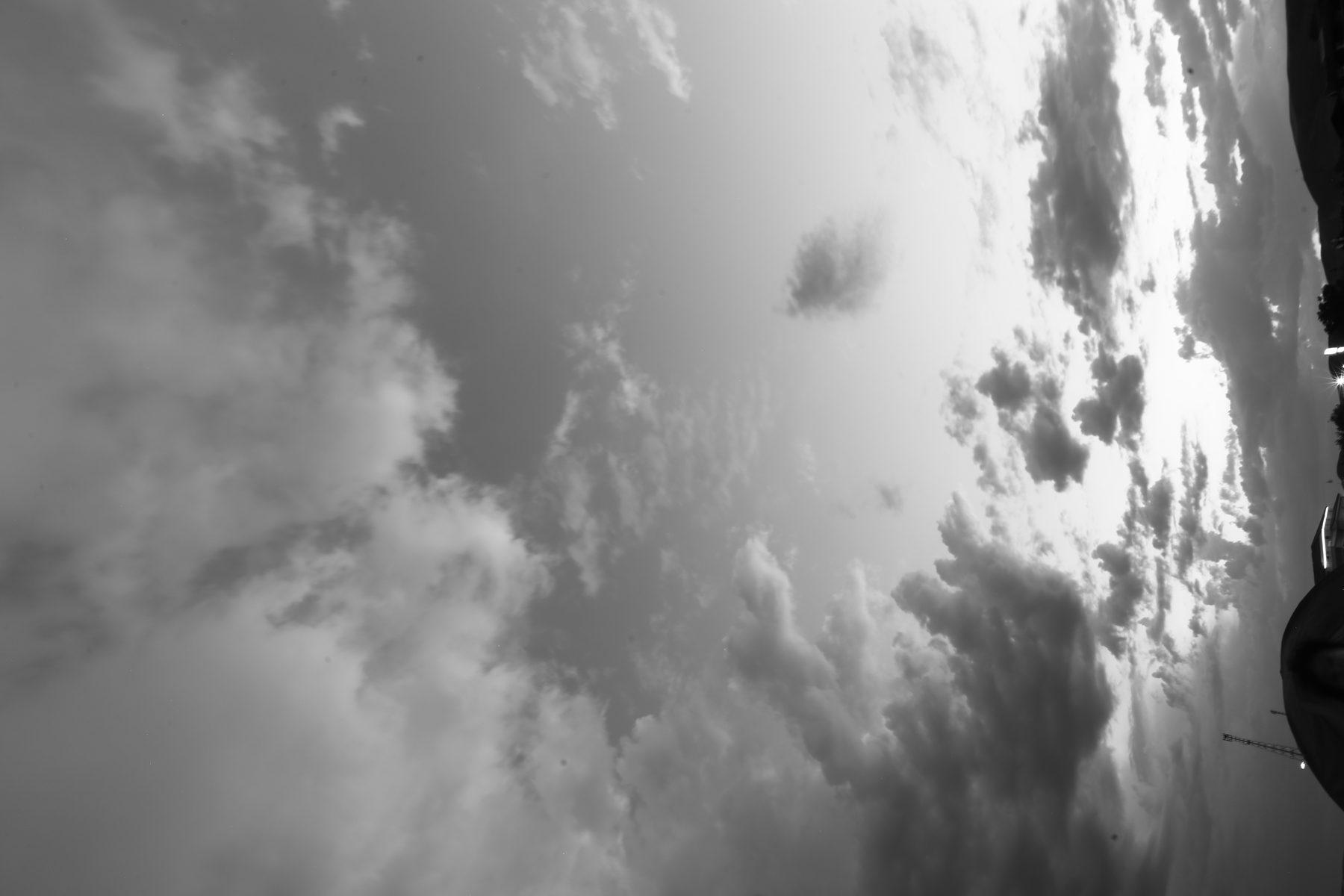
What the technique yields: from the Salt Lake night.
Let's write this story together.
Send your date and the mood you imagine — I'll reply within 24 hours.
Get in Touch